Current location: Home > News Center
News Center
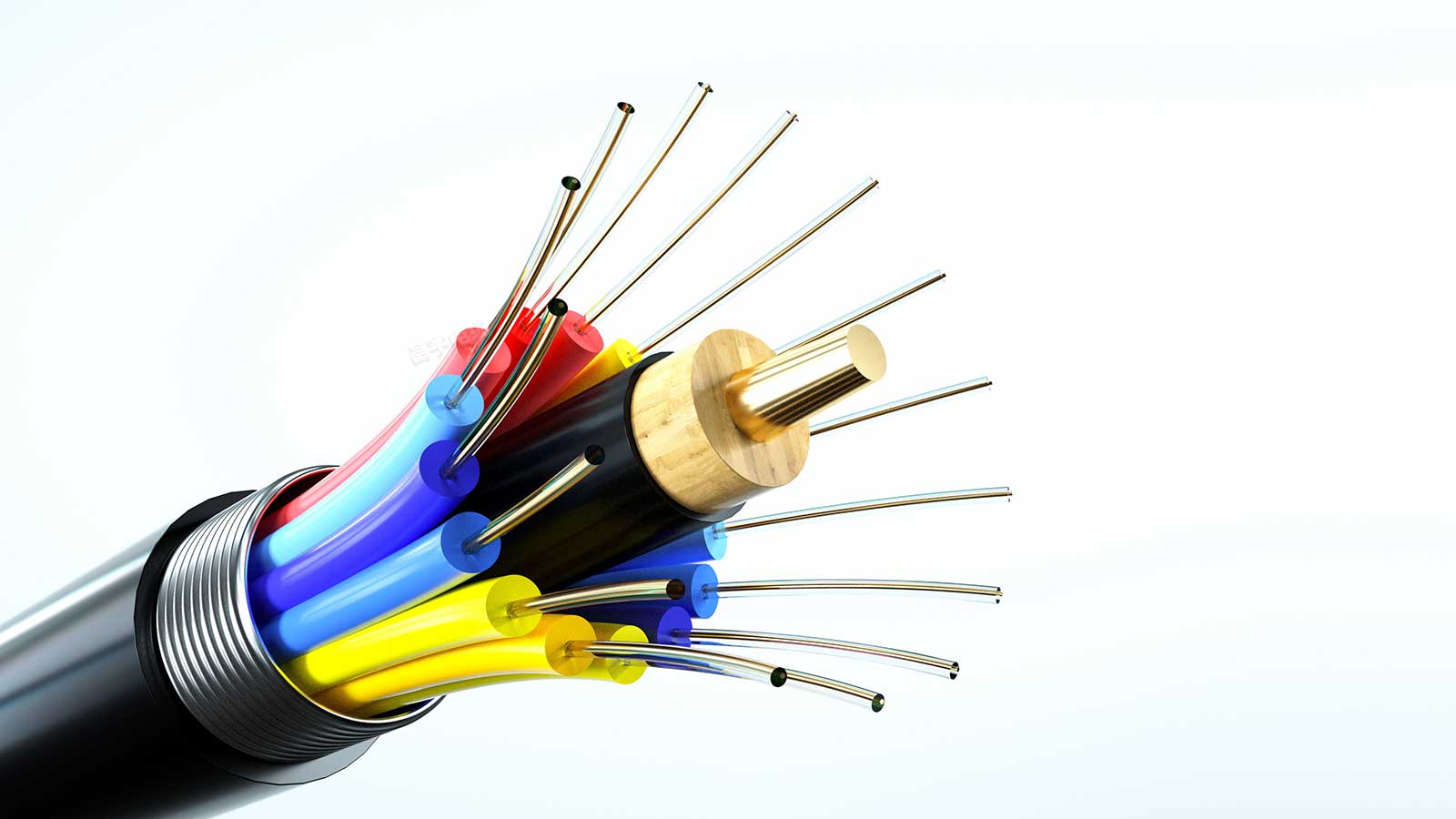
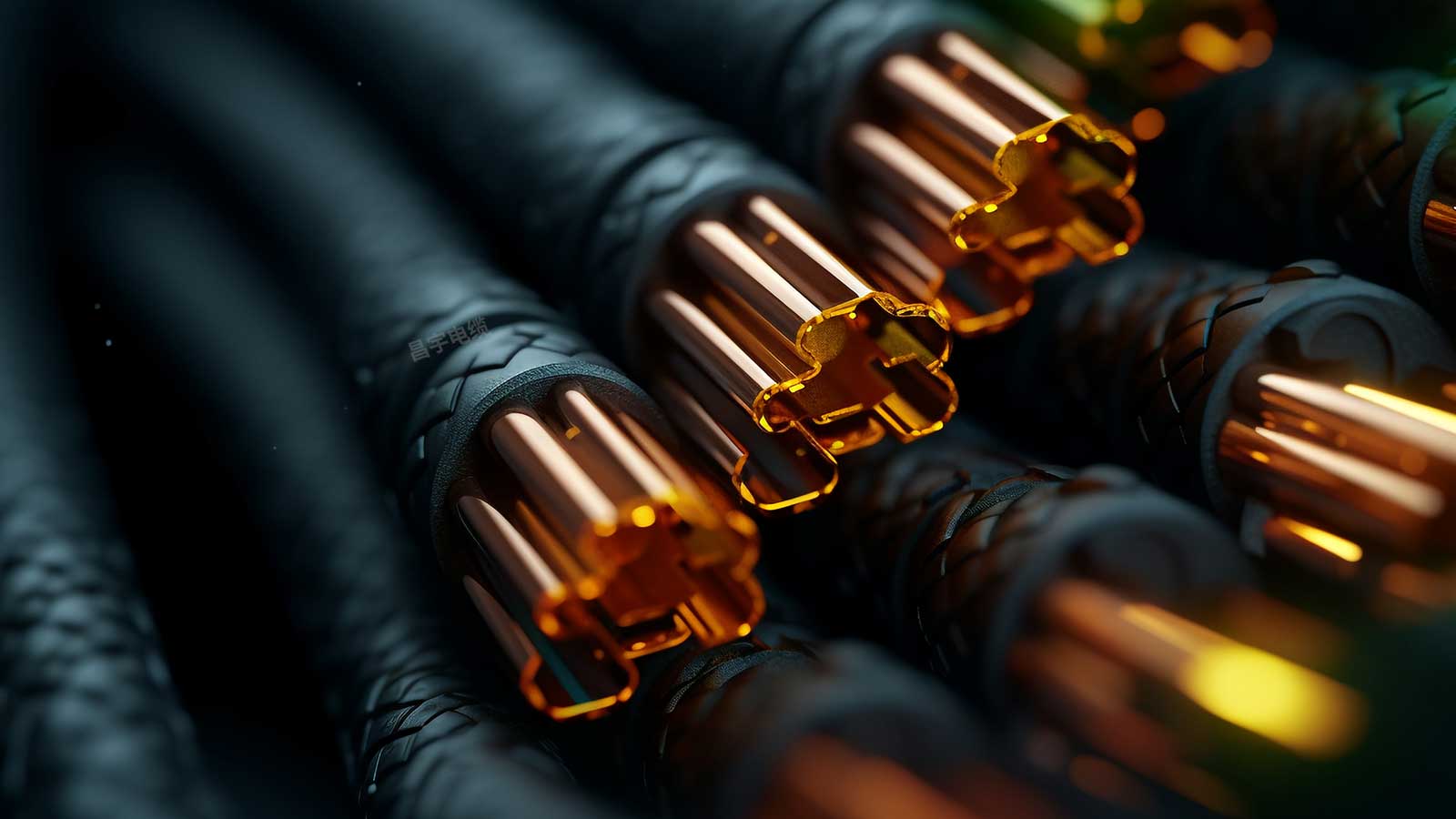
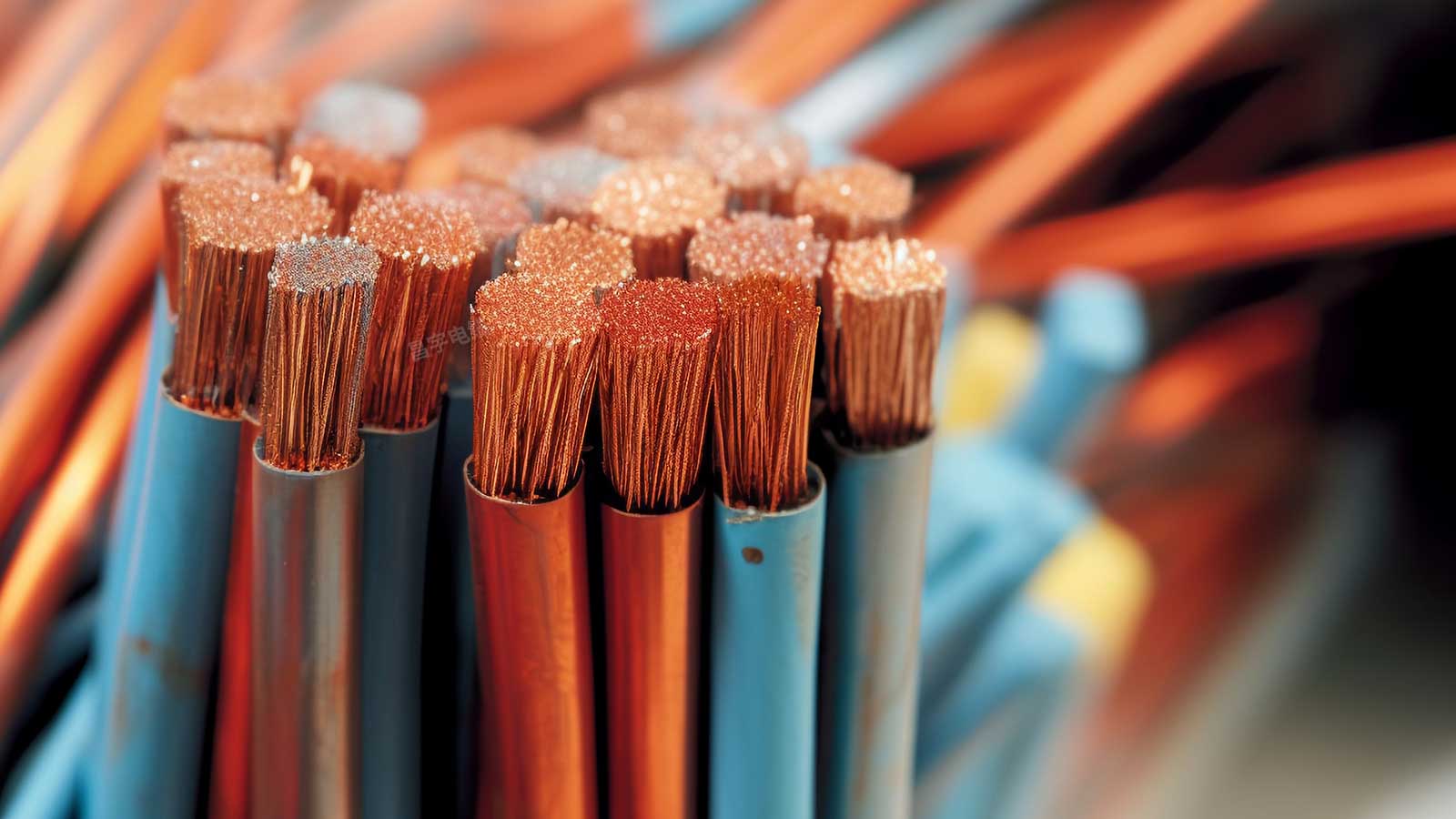
The length of wire and cable is the basic unit of measurement. All wire and cable from the beginning of the conductor processing, in the conductor of the outer layer by layer to add insulation, shielding, cable, sheath, and so made wire and cable products. The more complex the product structure, the more layers are added. Here with the small series to see the wire and cable production process. Wire and cable production process 1. Copper, aluminum single wire drawing, wire and cable commonly used copper, aluminum rod, at room temperature, the use of wire drawing machine through one or several holes in the die drawing, so that its cross-section reduced, length increased, strength increased. Wire drawing is the first working procedure of wire and cable companies. The main technological parameter of wire drawing is die matching technology. 2. When the annealed copper and aluminum monofilament is heated to a certain temperature, it is recrystallized to improve the toughness and reduce the strength of the monofilament. The key of annealing process is to prevent the oxidation of copper wire. 3. The stranded conductor, in order to improve the flexibility of wire and cable, in order to facilitate installation, conductive wire core to take a number of monofilament stranded. From the stranded form of conductive wire core, can be divided into regular stranded and irregular stranded. Irregular strangulation is divided into beam strangulation, concentric compound strangulation, special strangulation and so on. In order to reduce the occupation area of the conductor and the geometrical size of the cable, the common circular shape is changed into semicircle, sector, tile and compressed circular shape. The conductor is mainly used in power cables. Four. Plastic wire and cable are mainly extruded solid insulation layer, the main technical requirements of plastic insulation extrusion: 4.1. Eccentricity: the deviation of the insulation thickness of the extrusion process level is an important indicator, most of the product size and its deviation in the standard are clearly defined. 4.2. Smoothness: the surface of the extruded insulating layer should be smooth, and there should be no bad quality problems such as surface roughness, scorch and impurity. 4.3. Density: the cross-section of the extruded insulating layer should be compact and strong, no pinhole visible to the naked eye is allowed, and no bubble exists. 5. Cable, for multi-core cable in order to ensure molding, reduce the shape of the cable, generally need to be twisted into a circular. The mechanism of stranding is similar to that of conductor stranding. Because of the large diameter of stranding joint, most of them adopt non-untorsion mode. The technical requirements of the cable: first, to prevent abnormal insulation core turn over and lead to cable twisting and bending; second, to prevent the insulation layer was scratched. Most cables are cabled along with the completion of two other processes: one is to fill, to ensure the integrity of the cable after cabling and stability, and one is to bind, to ensure that the core of the cable is not loose. 6. Inner protective layer, in order to protect the insulation core from the armour, it is necessary to protect the insulation layer properly, the inner protective layer is divided into: extruded inner protective layer (isolation sleeve) and wrapped inner protective layer (cushion layer) . The wrapping cushion layer replaces the binding belt and synchronizes with the cabling process. Seven. Armored, laying in the underground cable, work may bear a certain positive pressure, can choose the steel tape armored structure. When laying the cable under both positive pressure and tensile force (such as water, vertical shaft or soil with large drop) , the structure with inner steel wire armour should be selected. 8. The outer sheath is a structural part that protects the insulation layer of the electric wire and cable from the erosion of environmental factors. The main function of the outer sheath is to improve the mechanical strength of wires and cables, chemical corrosion, moisture-proof, waterproof immersion, to prevent cable burning and other capabilities. According to the different requirements of cable, plastic sheath is directly extruded by extruder.
Our lives can not develop without cable, almost everywhere, but there are some hidden dangers. Although the development of technology is rising, cable product quality is also guaranteed, we still have to pay attention to some, in case of fire. The following is the Changyu cable factory to give you a brief list of some of the wire and cable-related considerations! 1. Ensure the quality of construction, install cable lines in accordance with the standard requirements, in the installation of electrical lines need to be in strict accordance with the electrical installation procedures, to request a special electrician laying lines, electricians need to work with a license. 2, enhance the monitoring of cable operation to avoid cable overload operation. 3, regular cable testing, found that there is a problem should be dealt with immediately. 4. Install fire alarm device to detect fire immediately and avoid cable catching fire. 5, cable trench to keep dry, to prevent the cable damp, resulting in a drop in insulation, causing a short circuit. 6. Strengthen the regular check and maintenance of the cable circuit switch and protection to ensure its reliable action. 7, occasionally clean the dust accumulated on the cable, to prevent the dust accumulated spontaneous combustion caused by cable fire. 8. When laying the cable, keep sufficient distance from the heat pipe, control cable ≥0.5 m, power cable ≥ L M. Control Cable and power cable should be slotted, layered and separate layout, it is not possible to overlap between layers. For non-conforming parts, the cable should be flame retardant, heat insulation measures. 9. Take Fire and flame retardant measures.
These symbols are some models of wire, B series classified belongs to the cloth wire, so the beginning with B, voltage: 300 / 500V wire is divided into electromagnetic wire and general insulated wire according to the use. Insulated wire is also called cloth wire.
Insulating wire (cloth wire) refers to the wire covering the insulation layer, including all kinds of connecting lines, installation lines.
V is PVC PVC, which is (plastic)
The L is the code for the aluminum core
T is the code of the copper core (generally not omitted)
R means (soft), to be soft, is to increase the number of conductor roots
BV copper-core PVC insulated wire
BLV aluminum-core PVC insulated wire
BVR copper-core PVC insulated flexible wire
The above wire structure: conductor insulation
Take 2.5mm2, for example:
BV is 1 root diameter 1.78mm and 7 root 0.68 two kinds
The BLV is 1 root with a diameter of 1.78mm
BVR is 19 root diameter 0.41mm
RV copper core PVC insulated connecting flexible wire
It is softer than BVR, or 2.5 is 490.25mm copper wire
RVV copper core PVC insulated PVC sheath connection flexible wire
One more plastic sheath than the RV
In addition: our most commonly used "sheath wire"
BVVB copper core PVC insulated PVC sheath flat cable, is 2 BV lines, in a layer of white sheath
When we buy cables, if we buy wires with a smaller current carrying capacity, the cables will heat up when we plug in the higher-power appliances, causing leakage and overload, which will burn out the appliances or cables, cause circuit damage. So someone said, since the thick wire resistance is smaller and the current is larger, can avoid electrical appliances burn out, short circuit, blackout, then home laying wires, are not using thick wire good? In theory this could work, but it is not necessary. On the one hand, the thicker the cable, may be more power-efficient than the thinner wire. Because the thinner wire, its resistance value will be greater, electrified state, can produce a lot of heat, may be more power consumption. A thick wire with a large cross-sectional area will have a smaller resistance value and a smaller load, thus saving electricity.
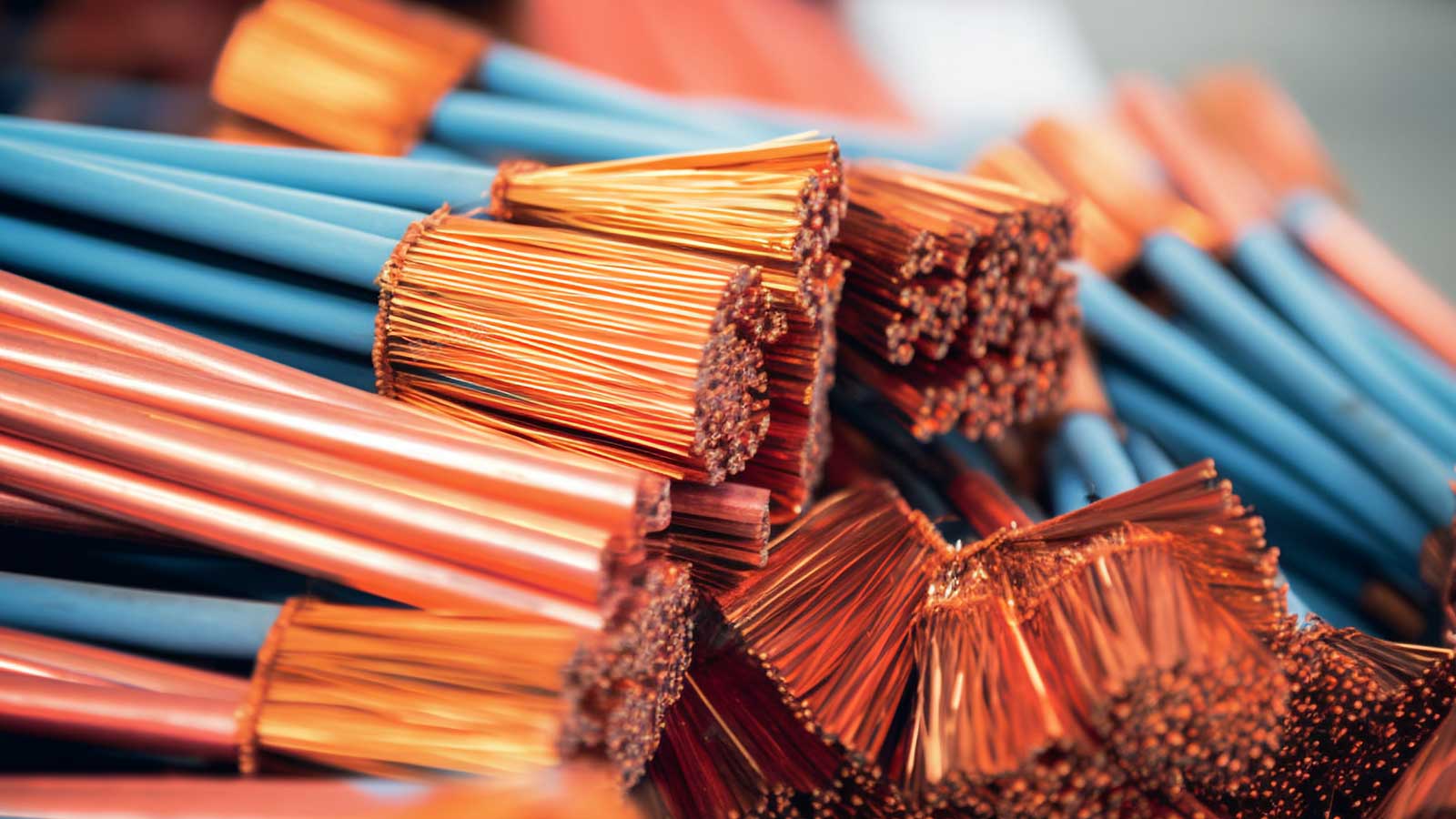
Copper belongs to the transition metal with an atomic number of 29, a density of 8.92 g/cm3 and a melting point of 1083.4. It has good thermal and electrical conductivity, so it is widely used as a conductor. However, in humid air, the surface of copper chemically reacts with oxygen to form Cu 2 (OH) 2CO3, ie, copper green. Usually, the copper oxidation in cable factory is black on the surface, which is the surface oxidation phenomenon of copper conductor that troubles many cable enterprises and users. However, in addition to the production process, there are various factors leading to the black wire and cable in the use process, but consumers can not think of the reason behind, next, xiaobian will share some of the most easily ignored wire and cable oxidation reasons ~
1
Improper handling of the cable connector
The cable joint seal is not packaged and the air enters the copper conductor to turn black, and most of the packaging of the cable head will directly seal the insulation tape directly. In fact, the insulation tape is not waterproof and there is a layer of glue above, which will make the cable black.
2
Insulation damp
This situation is also very common, generally occurs in the directly buried or drainage pipe in the cable joint. If the cable joint is not qualified and made in wet climate conditions, the joint will be fed with water or mixed with water vapor, and the cable will be black after a long time. This phenomenon is more common in the hot summer months, when the humidity in the air is relatively high, and the temperature accelerates the oxidation of copper conductors.
3
Construction installation
Some users do not install cables, which can easily cause mechanical damage; civil construction on directly buried cables is also easy to damage the cables in operation. If the cable copper conductor local damage place in the underground moisture or exposed surface will produce oxidation black.
360:Copper is a transition metal with atomic number 29, density 8.92 g/cm3 and melting point 1083.4. It has good thermal and electrical conductivity, so it is widely used as a conductor. In moist air, however, the surface of copper reacts with oxygen to form CU2(OH)2CO3, or patina. Usually the copper oxide of cable factory is black on the surface, which is the copper conductor surface oxidation phenomenon that perplexes many cable enterprises and users. However, in addition to the production process, there are various factors that cause cables and wires to turn black during use, but consumers can not think of the reason behind it. Next, some of the most overlooked causes of wire and cable oxidation ~ 1 improper handling of cable joints, cable joints are not properly sealed and lead to air intrusion copper conductor blackening, most of the cable head packaging master will use insulation tape directly sealed, in fact, insulation tape is not waterproof and there is a layer of glue above, a long time will make the cable black. 2 insulation wet, this situation is also very common, usually occurs in directly buried or in the drain cable joints. If the cable joint made unqualified and do joint in humid climate conditions, will make the joint into water or mixed with water vapor, time for a long time the cable will be black. This phenomenon is more common in the hot summer, because the summer air humidity is greater, and temperature will accelerate the copper conductor oxidation reaction. 3 construction installation, some users in the laying of installation cable construction is not standardized, easy to cause mechanical damage;. If the copper conductor of the cable local damage place long-term in the underground damp or bare surface will produce oxidation blackening.